
BAC Water Explained: What It Is, How It Works, and Why It Matters
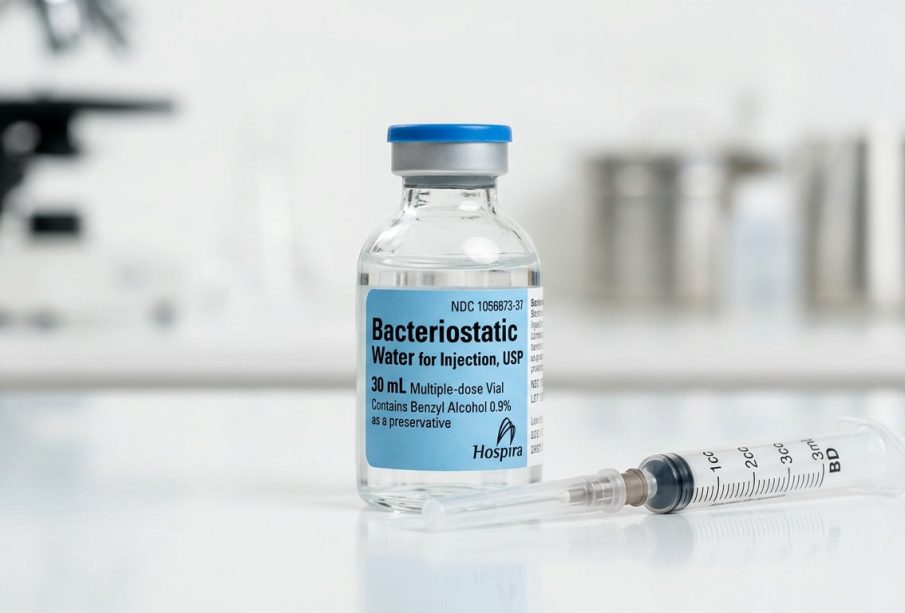
Bacteriostatic water, often referred to as “BAC water,” is a sterile solution commonly used in medical and laboratory settings. It consists of sterile water for injection that contains a small amount of a bacteriostatic agent, typically 0.9% benzyl alcohol.
This additive plays a crucial role: it inhibits the growth of bacteria, allowing the solution to be used multiple times from the same vial without significant risk of contamination. Because of this property, BAC water is widely used for reconstituting medications that need to be diluted before injection.
One of the defining characteristics of bacteriostatic water is its ability to maintain sterility over repeated use. In contrast, sterile water for injection (which contains no preservative) is usually intended for single-use only. Once opened, sterile water can quickly become contaminated if exposed to microorganisms.
BAC water, on the other hand, remains usable for a longer period—typically up to 28 days after first use, depending on storage conditions and handling practices. This makes it more convenient and cost-effective in many clinical and research environments.
The benzyl alcohol in BAC water is what gives it its bacteriostatic properties. Rather than killing bacteria outright, it prevents them from reproducing. This distinction is important: the solution does not sterilize contaminated substances but instead reduces the risk of bacterial growth if small amounts of contamination occur during proper use. Because of this, BAC water must still be handled carefully, using sterile techniques such as clean needles and proper vial storage.
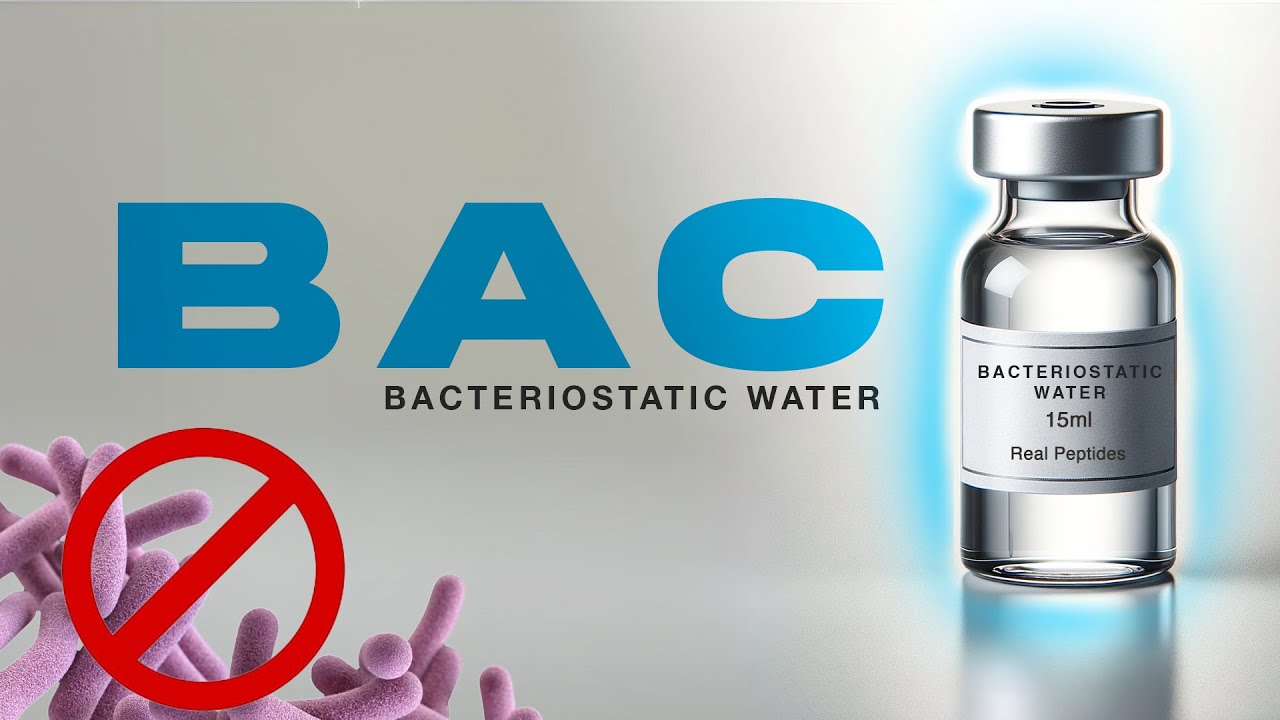
BAC water is frequently used to reconstitute powdered medications. Many drugs, especially certain hormones, peptides, and antibiotics, are manufactured in a lyophilized (freeze-dried) form to improve their stability and shelf life. Before administration, these powders must be dissolved in a liquid.
BAC water is often chosen for this purpose because it allows multiple doses to be drawn from the same vial over time. For example, patients who require regular injections of a medication may reconstitute a vial once and then use it over several days or weeks.
In addition to its use in reconstituting medications, bacteriostatic water can also serve as a diluent. This means it is used to adjust the concentration of a drug to a desired level, making it easier to measure accurate doses. Precision is especially important in medical treatments where even small variations in dosage can have significant effects. By using BAC water, healthcare providers and patients can ensure consistent and reliable dosing.
Despite its advantages, bacteriostatic water is not suitable for all situations. One important limitation is its benzyl alcohol content, which can be harmful to certain populations. For instance, it is generally not recommended for use in newborns, particularly premature infants, because benzyl alcohol has been associated with a rare but serious condition known as “gasping syndrome.”
This condition can lead to severe respiratory and neurological complications. As a result, healthcare providers must carefully consider patient age and health status before choosing BAC water.
Storage and handling of bacteriostatic water are also important factors in maintaining its safety and effectiveness. The solution should be kept at room temperature, away from direct sunlight and extreme heat. Once opened, the vial should be clearly labeled with the date of first use, and any remaining solution should be discarded after the recommended period, typically 28 days.
Even though the bacteriostatic agent helps prevent bacterial growth, it does not eliminate the risk entirely, especially if the vial is repeatedly accessed without proper sterile technique.

Another consideration is that BAC water is intended for injection only when used appropriately in medical contexts. It should never be used as a substitute for other types of water or solutions in non-medical applications. Misuse or improper administration can lead to complications, including infection or adverse reactions. Therefore, it is essential that BAC water be used under proper guidance, particularly when it involves injections.
In summary, bacteriostatic water is a versatile and widely used solution in healthcare and laboratory settings. Its key feature—the inclusion of benzyl alcohol—allows it to inhibit bacterial growth and support multiple uses from a single vial. This makes it especially valuable for reconstituting and diluting medications that require repeated dosing.
However, it must be used with care, taking into account its limitations and potential risks, particularly for vulnerable populations. Proper storage, handling, and sterile technique are essential to ensure its safety and effectiveness.


Leave a reply





Our magazine is dedicated to those who seek to enrich their lives with unforgettable culinary experiences and thrilling adventures. At Vitis Gen 2, we believe that every meal tells a story, and every journey is a new chapter waiting to be explored.